
Oral surgery is a key area of dentistry that encompasses a wide range of procedures aimed at treating complex dental and oral problems.
At Clínica Medicis Dental, we have a highly qualified team with state-of-the-art technology to perform surgical interventions that guarantee the health and well-being of our patients.
Among the main indications for oral surgery are teeth with very extensive and non-restorable caries, teeth without bone support, impacted teeth, and procedures such as apicoctomies, cyst removal, fibroid removal, pre-prosthetic surgery and frenectomy.
This type of treatment is often the last line of defense when other methods, such as restorations or endodontic treatments, are not enough to save the tooth or restore the patient’s oral health.
Our clinic provides a safe and comfortable environment, where each surgical intervention is performed with precision and care, ensuring the best possible outcome for each patient.

When is Oral Surgery necessary?
Oral surgery may be necessary in several situations. Teeth can suffer damage or decay that is irreparable through conventional dental treatment methods.
The most common cases include:
When a tooth decay affects a significant part of the tooth and irreparably compromises its structure, tooth extraction may be the only solution.
If the cavity is too advanced to be treated with restorations or root canal treatment, the tooth should be removed to prevent infection and pain.
Loss of bone support can occur due to advanced periodontal disease, which affects the tissues that support the tooth and results in tooth mobility or displacement.
When the supporting bone is destroyed to the point that it is not possible to save the tooth, oral surgery is needed to remove the affected tooth.
Impacted teeth, such as wisdom teeth that fail to erupt properly, can cause pain, infections, and damage to neighboring teeth.
Surgical removal of these teeth is a common solution to avoid major complications.
Types of
Oral Surgery
At Medicis Dental Clinic, we offer a wide range of oral surgery procedures to solve specific dental problems.
Each treatment is carefully planned and carried out by experienced professionals
and knowledge of the latest surgical techniques.
Tooth extractions are one of the most common surgical procedures. They are often needed to remove teeth with very extensive, non-restorable caries or teeth without bone support.
A simple extraction is performed when the tooth is visible and accessible, while more complex extractions, such as impacted teeth, may require more intrusive surgery, with the lifting of gum tissues to access the tooth.
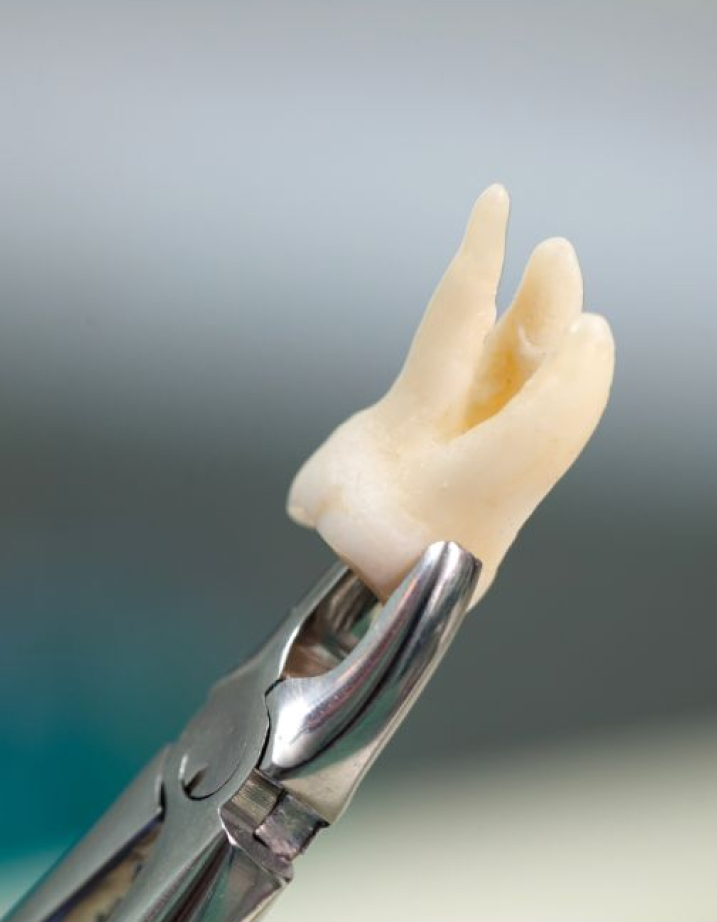
The extraction process is done under local anesthesia to ensure patient comfort. After removal, rehabilitation solutions such as placing dental implants or dentures may be recommended.
Apicoectomy is a surgical procedure that involves removing the tip of a tooth’s root (apex) and the surrounding infected tissue.
This procedure is indicated when endodontic treatment (root canalization) is not enough to resolve a persistent infection.
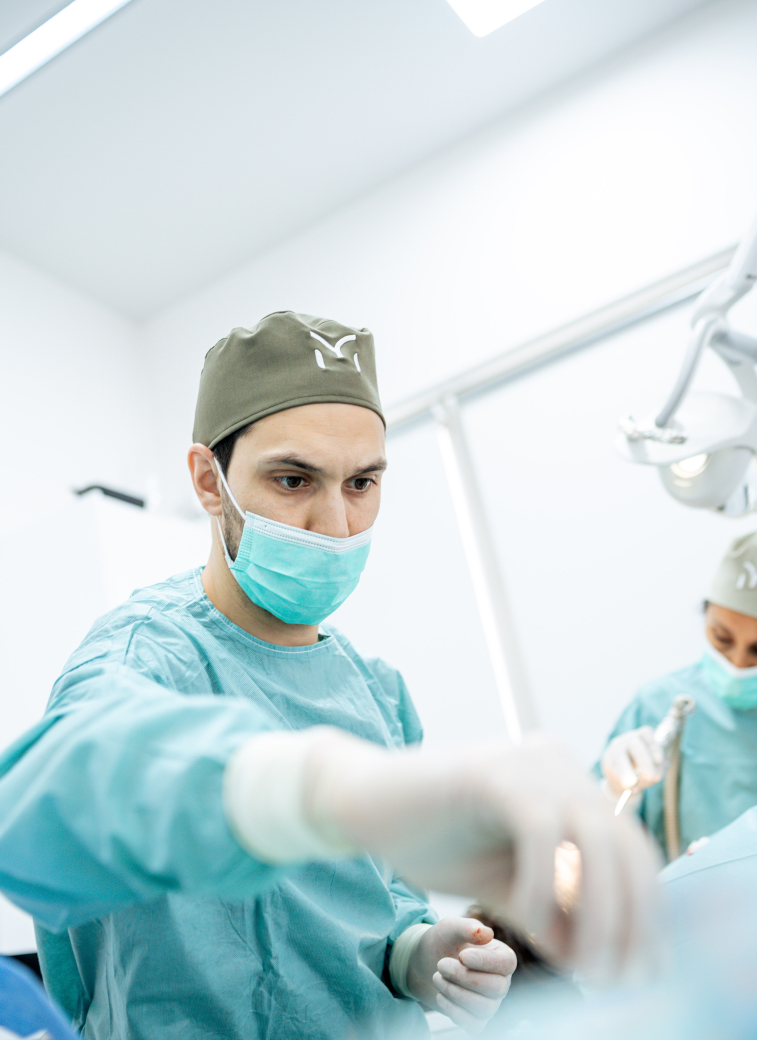
Apicoectomy helps save the tooth by removing the part of the root that is compromised and preventing the need for an extraction.
Oral cyst removal is another oral surgery procedure performed to remove abnormal formations that may occur in the jaw bones or soft tissues of the mouth.
Cysts can arise due to infections, traumatic injuries or other factors, and their removal is essential to avoid future complications, such as bone destruction.
Fibroids, on the other hand, are benign lesions that appear on the gums or oral mucosa as a result of repeated irritations or trauma.
Although they are generally harmless, they can cause discomfort or affect the aesthetics of the smile, and their surgical removal is often recommended to improve the patient’s comfort and appearance.
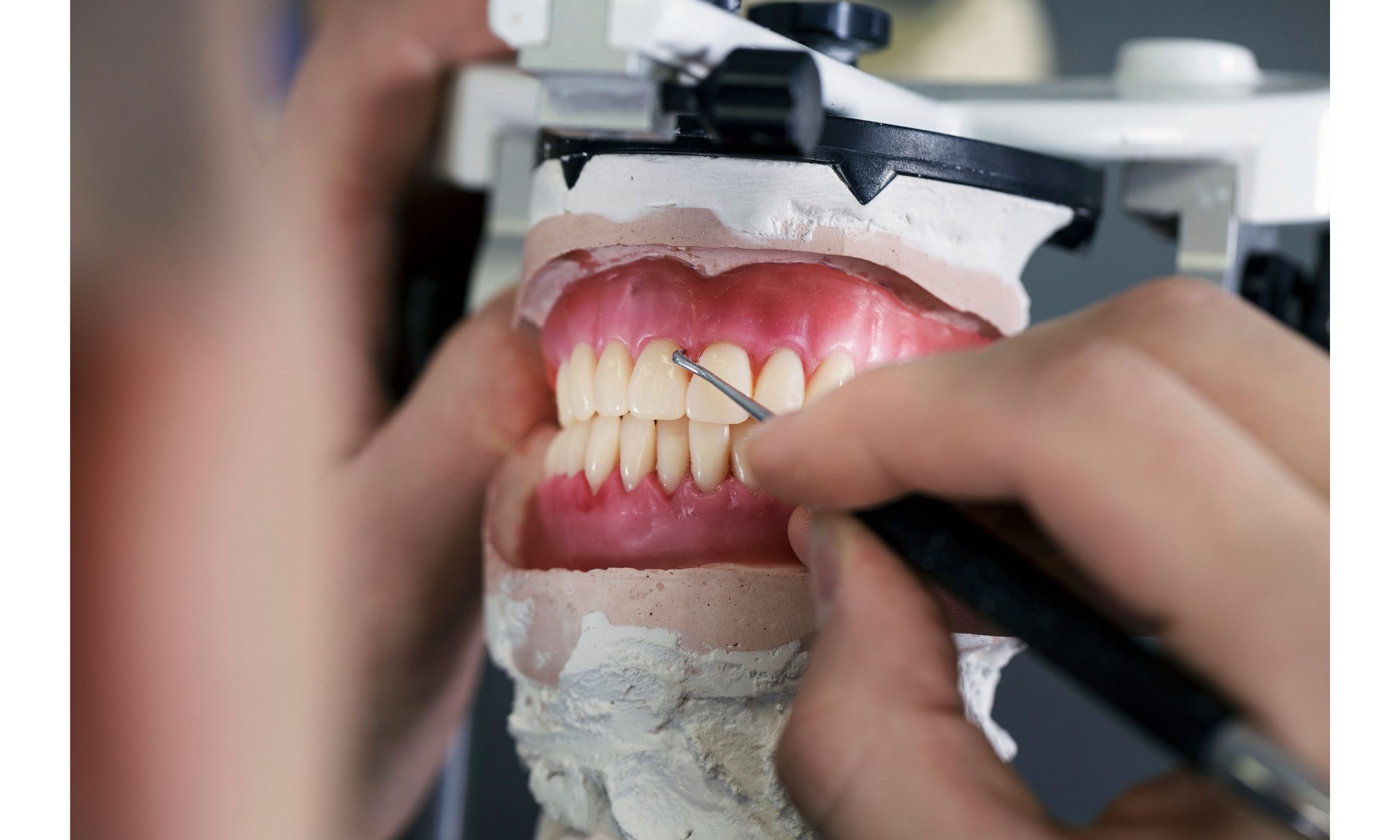
Pre-prosthetic surgery is necessary when planning the placement of a denture, but the bone or gums need to be prepared to accommodate the denture properly.
Regularization of the bone and gums is crucial to ensure that the prosthesis fits correctly, providing comfort and functionality.
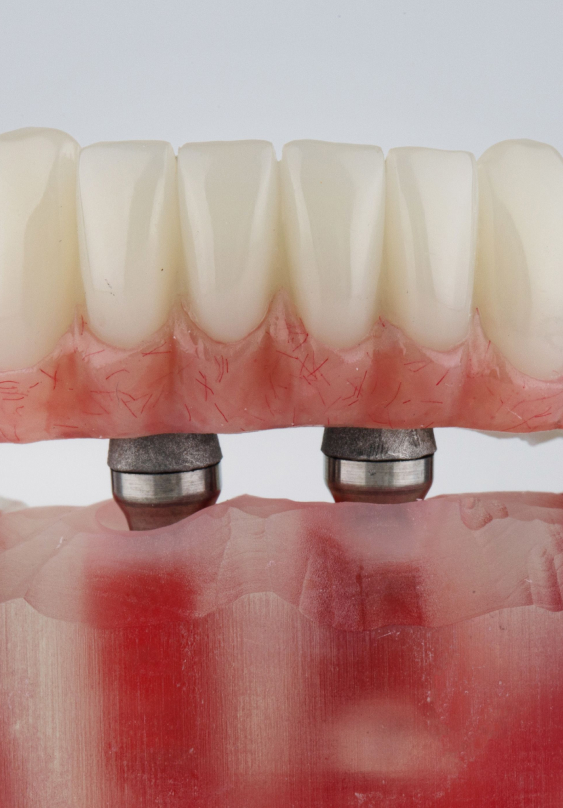
This type of surgery includes the removal of bone irregularities, the leveling of the gums, or other adjustments that improve the fixation and stability of the prosthesis.
Frenectomy is a minor surgical procedure that involves removing or modifying the labial or lingual frenum, the small tissues that connect the lips or tongue to the gums.
Problems with the frenulum, such as ankyloglossia (tongue tie), can make it difficult to speak, chew and even oral hygiene, and frenectomy is necessary to correct these conditions.
This procedure is particularly common in children, but it can also be performed in adults who have problems with the mobility of the tongue or lips.
The Importance of
Oral Surgery
Oral surgery plays a vital role in preserving the health and functionality of the mouth. Many dental problems that require oral surgery are not only uncomfortable, but they can also develop into more serious conditions if not treated in time.
Oral surgery is often the best solution to prevent the progression of infections, injuries or diseases that can compromise the teeth and supporting tissues.
Whether treating teeth with very extensive and non-restorable caries, impacted teeth, or performing procedures such as apicoctomies, cyst removal and pre-prosthetic surgery, our specialists at Medicis Dental Clinic ensure that patients regain oral health and avoid future complications.
Postoperative
and Care
After an oral surgery procedure, it is critical to follow the post-operative instructions provided by your dentist to ensure a quick and hassle-free recovery.
Some general guidelines include:
At Clínica Medicis Dental, we are always available to answer any questions or concerns you may have after your oral surgery.
Our team follows each patient closely, ensuring a safe and comfortable recovery.
Medicis Dental is the ideal choice for oral surgeries, from tooth removal to complex procedures, offering effective solutions with professionalism and dedication.

